Uruguay Tax Holiday for New Residents: The 2026 Rules Explained

Uruguay still offers new tax residents an 11-year break on foreign capital income, but Law 20,446 changed who qualifies, what it covers and what happens after it ends.
53 articles found

Uruguay still offers new tax residents an 11-year break on foreign capital income, but Law 20,446 changed who qualifies, what it covers and what happens after it ends.

Britain replaced non-dom status with a residence-based regime in April 2025. Here is what official data, forecasts and private reports say about how many wealthy people have left.

The UK statutory residence test decides whether you are UK tax resident each year. Here is how the automatic tests, the sufficient ties test, day counting and split years work.

The UAE Golden Visa is a 5- or 10-year self-sponsored residence permit. Here are the categories, the AED 2 million property route, Dubai fees, family rules and what it means for tax.

The Destination Thailand Visa gives remote workers five years of entries and 180-day stays. Here are the funds test, the fee, the August 2026 document changes and the tax rules.

Day counts are only the start. Here is how tax authorities weigh your home, family, work and economic ties, and how treaties use permanent home, vital interests and habitual abode.

The six Gulf states do not tax salaries, but VAT, corporate tax and Oman's planned income tax change the picture. A 2026 guide to the Middle East's tax-free countries.

The US taxes its citizens wherever they live, so no country is fully tax-free for Americans. Here is what a move to a zero-tax country changes, what it does not, and where the exceptions are.

How Spain's wealth tax works in 2026: who pays, the national rates, the €700,000 allowance, regional rebates, the 60% cap and the solidarity tax on fortunes above €3 million.

Spain’s digital nomad visa lets non-EU remote workers live in Spain on a one-year visa, then renewable residence permits. Here are the 2026 income figures, the 20% rule and the tax questions.

Spain's Beckham Law lets qualifying newcomers pay a flat 24% on employment income up to 600,000 euros for six tax years. Here is who qualifies after the 2023 reform and how to apply.

Iceland, New Zealand and Switzerland lead the 2026 Global Peace Index. See the 10 safest countries to live in, what the rankings measure, and what they leave out.

Banks, brokers and platforms want proof of a residential address, which is hard when you move often. Here is what usually counts, why institutions ask, and which shortcuts backfire.

Top-tier international health cover costs from about $7,500 a year in Romania to nearly $24,000 in the US, and prices rose 18% in a year. Here is what drives the bill and which visas require cover.

Portugal replaced the NHR regime with IFICI, a 20% flat rate for qualifying jobs and broad relief on foreign income for ten years. Here is who qualifies, how it works and how to register.

Portugal’s D8 visa lets non-EU remote workers stay for up to a year or move on to a residence permit. Here are the €3,680 income rule, the documents, the €110 fee and the 2025 family changes.

A Plan B residency is a legal right to live in a second country, kept ready in case your home base becomes harder to live or work in. Why entrepreneurs build one and how the options compare.

How Paraguay permanent residency works in 2026: the standard two-year route, the new investor certificate with its four investment tiers, documents, fees and the 10-year card.

Paraguay grants citizenship after three years of permanent residence, but the clock, the absence limit and the court process trip up many applicants. Here is who qualifies and the realistic timeline.

Panama has no single golden visa. It has a menu of residence routes, from US$200,000 Friendly Nations permits to US$300,000 investor permits and a US$1,000 pension visa. Here is how they compare.

The UK ended non-dom status in April 2025, but Europe still has special tax regimes for new residents. Here is how the options in Italy, Greece, Malta, Cyprus, Ireland, Portugal and Spain compare.

Leaving the US means sorting out a visa, your US tax filings, state residency, banking, health cover and a dozen small admin tasks. This checklist puts them in order.

Mexico has no digital nomad visa, so remote workers who want more than a tourist stay usually apply for temporary residency. Here are the 2026 income tests, the steps and the tax points.

Malta will replace its Global Residence Programme and three related schemes with a single Individual Tax Programme on January 1, 2027. The minimum tax more than doubles to €35,000 for most applicants.

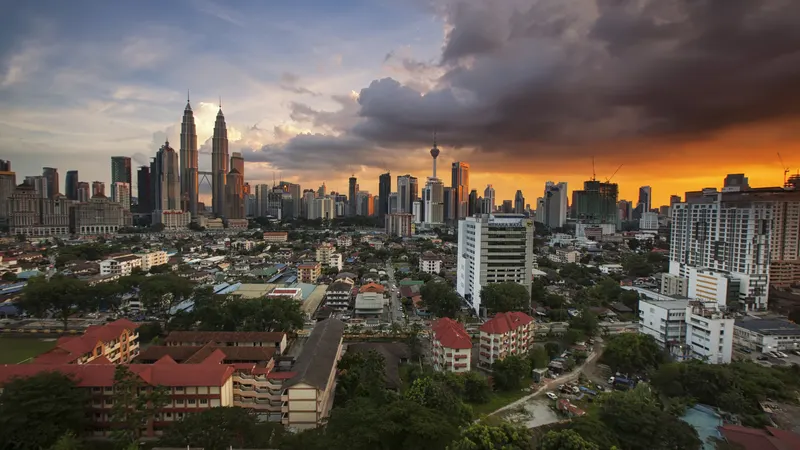
Malaysia’s MM2H drew 7,650 new applications and RM8.85 billion in economic value in 23 months. In the same week, the tourism minister asked for tighter checks on holders who run businesses without permission.

Malaysia’s DE Rantau Nomad Pass lets remote workers stay for up to 24 months. Here are the income rules for tech and non-tech roles, the fees, the sponsor bond and the tax points.

Panama, Costa Rica, Paraguay and much of Central America tax residents mainly on local income. Here is how each system works in 2026 and where the exceptions are.

Europe's low-tax options fall into three groups: Monaco, flat-tax countries in the east and the Balkans, and special regimes for newcomers in Italy, Greece, Cyprus, Malta and more.

Singapore, Hong Kong, Malaysia and others leave most foreign income untaxed, while Thailand now taxes what residents bring in. A 2026 guide to Asia's low-tax options.

The UK taxes by residence, so British citizens who leave properly can stop paying UK tax on foreign income. Here are the main low-tax destinations in 2026 and the UK rules that still follow you.

Japan’s digital nomad visa gives high earners from about 50 countries up to six months of remote work. Here is who qualifies, what you must prove and where the limits are.

Italy’s flat tax for new residents replaces income tax on foreign income with a fixed annual amount. For people who move from 2026 it is €300,000 a year, plus €50,000 for each family member.

Indonesia’s E33G remote worker visa lets employees of foreign companies live in Bali or anywhere in Indonesia for a year. Here are the income rule, official fees, limits and tax questions.

Hungary’s White Card lets non-EU remote workers live in Hungary for up to two years. Who qualifies, the €3,000 net income test, fees, renewal and the limits to know.

A step-by-step roadmap for becoming a digital nomad in 2026: portable income, the right visa, tax residency, banking, health cover and the paperwork that keeps you mobile.

Greece's golden visa now costs €800,000 in Athens, Thessaloniki and the busiest islands and €400,000 elsewhere. Here are the zones, the 120 m² rule, the rental ban and the 2026 changes.

From Paraguay's US$70,000 investor certificate to Panama's US$300,000 solvency permit and Colombia's real estate visa, here is how Latin America's investor residency routes compare in 2026.

The foreign earned income exclusion and the foreign tax credit are the two main ways Americans abroad reduce double taxation. Here is how each works in 2026 and where each tends to fit.

FBAR and FATCA are two separate US reporting systems for foreign accounts. Who files, the thresholds, the deadlines, how crypto fits in, and what happens if you missed a year.

The easiest citizenship depends on what you bring: time, ancestry, a spouse or capital. We compare the shortest naturalization timelines, descent routes and investment programs as of October 2026.

The UK does not tax unrealized gains when you emigrate, but several rules still reach people who leave. Here is what applies in 2026, from the five-year return rule to the inheritance tax tail.

A 2026 guide to digital nomad visas: income and savings tests, stay lengths and key rules for programs in Europe, Latin America, Asia and beyond, checked on official pages.

Croatia’s digital nomad residence permit allows up to 18 months of remote work, and qualifying foreign earnings are outside Croatian income tax. Here are the 2026 income figures, fees and steps.

Around 17 countries and territories levy no personal income tax in 2026. Here is the list, what they tax instead, how residence works, and why your home country may still have a claim.

An exit tax charges unrealized gains when you stop being tax resident. Here is a 2026 country-by-country list, from the US and Canada to Germany, France, Norway and Japan, with thresholds and relief.

Costa Rica lets remote workers stay up to two years under Law 10008. Here are the income tests, the $100 fee, the insurance rule and how the income tax exemption works.

Colombia's Visa V Nómada Digital lets remote workers stay up to two years. See the 2026 income test, documents, insurance rules, the online process and the tax points to know.

When you stop being a Canadian tax resident, most of your property is treated as sold at market value. Here is how Canada's departure tax works, what it covers and which forms apply.

Brazil's VITEM XIV digital nomad visa gives remote workers a one-year residence, renewable once. Here are the US$1,500 income test, the documents, the steps and the tax points.

Twelve cities that work well as digital nomad bases in 2026, compared on legal stay options, time zones, lifestyle and trade-offs, from Lisbon and Budapest to Bangkok and Medellín.

Moving overseas does not end Australian tax residency on its own. Here is how the four residency tests apply when you leave, and what changes for CGT, your home, super and rates.

A single Honduras tax residency certificate, issued by Próspera, unlocked crypto-native Visa and Mastercard access, a real IBAN, and a borderless banking stack, no legacy bank required. Here is exactly how one member built it.

No income tax, no capital gains tax, and a thriving expat community make it one of the most popular destinations for British professionals seeking financial freedom.